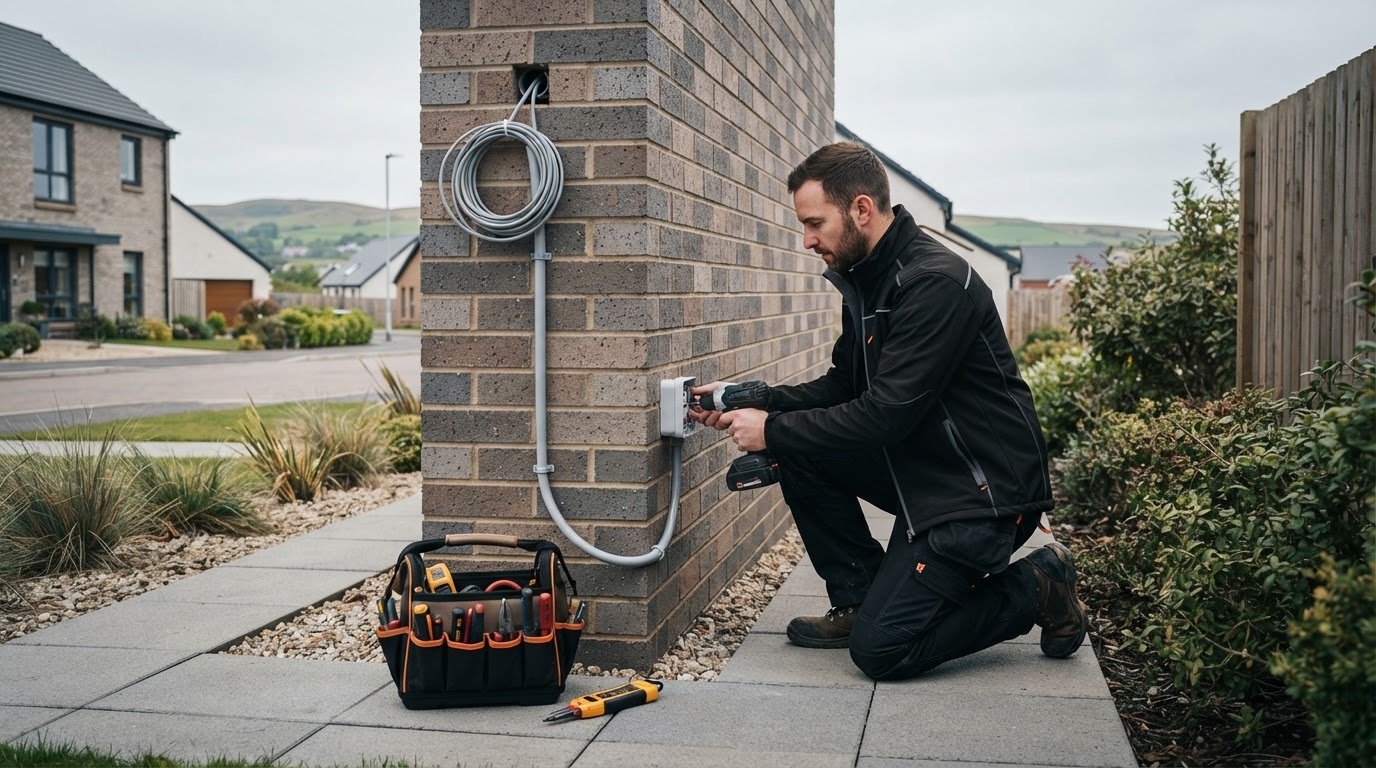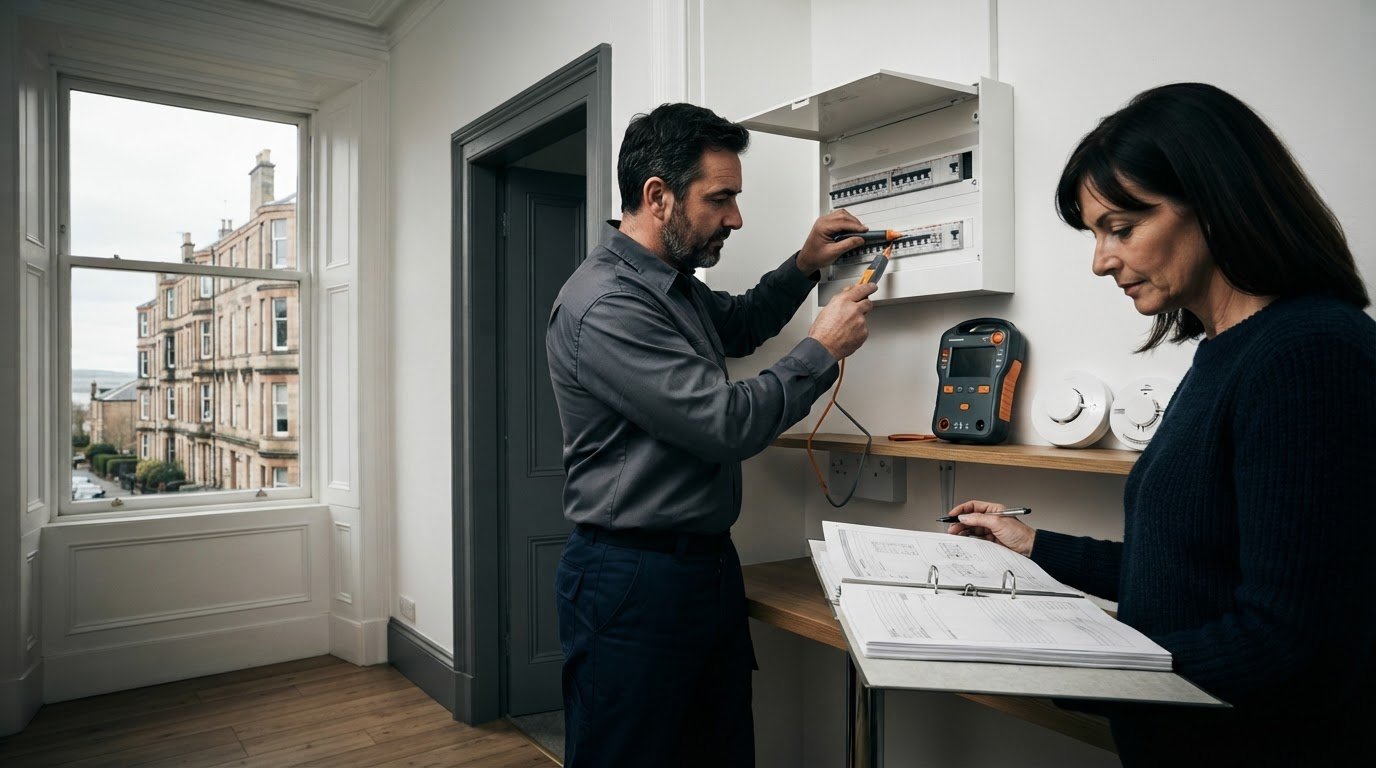
Did you know that many of the electrical safety reports issued when Scotland’s rental regulations tightened in 2021 are due to expire this year? If you manage property in Tayside, securing a valid landlord electrical safety certificate dundee is no longer just a box-ticking exercise; it’s a vital shield for your tenants and your reputation. We know that the pressure of staying on the right side of the Housing (Scotland) Act can feel overwhelming, especially with the recent mandatory RCD protection updates and the constant worry of heavy non-compliance fines. You deserve a straightforward, honest partner who treats your rental property with the same meticulous care as their own home.
This guide will help you master the essential electrical safety requirements for 2026, ensuring your property remains a safe haven and fully compliant with the law. We’ll explore the latest Repairing Standard updates, the necessity of interlinked smoke alarms, and how to maintain clear proof of safety for your insurance and the council. By the end, you’ll have a clear roadmap to total peace of mind, knowing your electrical systems are handled with traditional sincerity and expert diligence.
Key Takeaways
- Understand why a landlord electrical safety certificate dundee actually involves a suite of documents, including the EICR for fixed wiring and PAT for appliances.
- Learn about the mandatory RCD protection requirements that may require an upgrade to your consumer unit to meet the latest Scottish Repairing Standard.
- Identify the legal requirements for interlinked smoke and heat alarms that are essential for tenant safety and council compliance in 2026.
- Follow our actionable checklist to prepare your property for a seamless inspection, covering everything from meter credit to consumer unit access.
- Find out how partnering with an NICEIC registered local expert provides the legal protection and personal care your Tayside property investment deserves.
What is a Landlord Electrical Safety Certificate in Dundee?
Many people assume that a landlord electrical safety certificate dundee is a single, simple document you can download or print. In reality, it’s a comprehensive suite of compliance reports designed to ensure every wire, socket, and appliance in your rental property is fit for purpose. We see this process as a protective shield rather than just paperwork. The foundation of this safety package is the Electrical Installation Condition Report (EICR), which assesses the integrity of the fixed wiring. This inspection ensures the installation meets the current BS 7671 Wiring Regulations.
Alongside the EICR, you’ll typically need Portable Appliance Testing (PAT) for any white goods or electronics you provide to your tenants. Together, these checks form the legal backbone of your safety obligations. It’s a mandatory requirement across Dundee, designed specifically to prevent the devastating consequences of electrical fires or shocks. We take great pride in delivering your landlord electrical safety certificate dundee with a level of thoroughness that larger, impersonal firms often skip. We believe in being honest and direct; your tenants deserve a home that is as safe as our own.
The Legal Framework for Scottish Landlords in 2026
The Housing (Scotland) Act 2006 sets the standard we all must follow. For landlords in Tayside, this means you must provide evidence of these inspections to Dundee City Council as part of your landlord registration. The council takes these requirements seriously. If you fail to produce a valid certificate, you could face heavy fines or even rent withholding orders. Compliance isn’t just about avoiding a penalty; it’s about upholding the duty of care you owe to the families living in your property. We help you stay on the right side of the law with clear, transparent reporting that satisfies both the council and your insurance provider.
Protecting Your Tayside Investment and Your Tenants
Dundee is famous for its beautiful, historic tenements, but these older buildings often hide outdated wiring that hasn’t been touched in decades. Regular inspections move you beyond simply “ticking a box” and into genuine risk reduction. By catching small issues early, you can avoid the stress and expense of emergency Fault Finding and Repairs later on. We approach every property like a diligent neighbour would, ensuring it remains a safe, durable asset for years to come. Being a trusted landlord in our local community starts with showing that you value your tenants’ safety as much as your own. It’s a privilege to enter your property, and we treat that space with the respect it deserves.
The Core Component: Understanding the EICR Inspection
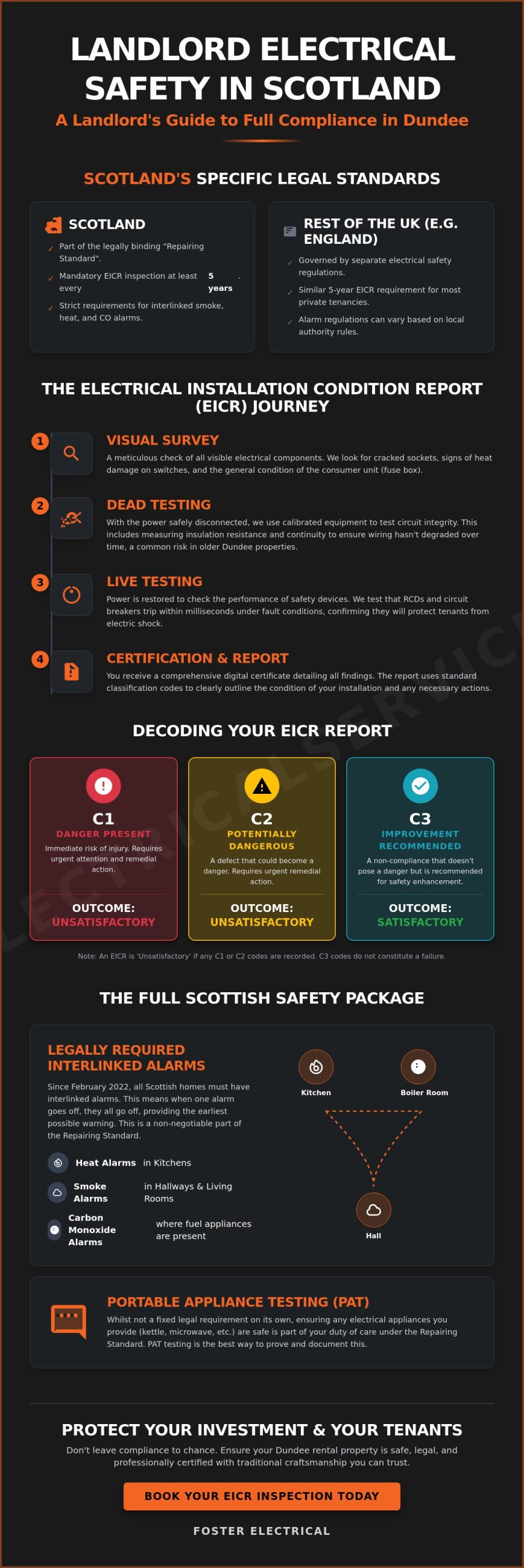
The Electrical Installation Condition Report, or EICR, is the beating heart of your compliance package. We don’t just glance at the fuse box; we perform a deep, technical dive into the hidden systems within your walls. This thorough examination covers your consumer unit, the entire wiring network, and all fixed electrical accessories. Our primary goal is to identify overloaded circuits, a lack of proper earthing, or hidden fire hazards that could put your tenants at risk. In Scotland, this isn’t an optional extra. To secure your landlord electrical safety certificate dundee, you must have this inspection carried out at least every five years. If you’re unsure when your property was last tested, we can help you review your compliance status.
The final report provides a clear “Satisfactory” or “Unsatisfactory” result. We believe in traditional sincerity, so we’ll always walk you through the findings in plain English. We want you to understand exactly how your property is performing. According to the Scottish Government’s Repairing Standard, you must provide a copy of this report to your tenants. This transparency builds trust and ensures everyone is on the same page regarding the safety of the home.
Deciphering EICR Observation Codes (C1, C2, and C3)
When we find an issue, we rank it using standard industry codes. A C1 code signifies immediate danger. In these cases, we’ll act quickly to make the property safe, often by isolating the faulty circuit. A C2 indicates a potentially dangerous situation. While not an immediate threat, it requires urgent action to ensure your property remains legally compliant. Finally, a C3 code is for recommended improvements. These aren’t mandatory for a “Satisfactory” result, but they highlight ways to bring your property up to modern standards. We’ll always be honest about which repairs are essential and which are simply good practice.
Why Older Dundee Properties Often Require Upgrades
Dundee is famous for its historic architecture, but these beautiful buildings often house electrical systems that haven’t been touched in decades. With the 18th Edition Wiring Regulations setting a high bar for 2026, many older fuse boxes simply can’t keep up. This is why many local owners are now choosing Consumer Unit Upgrades. Modern boards equipped with RCD protection are now a mandatory requirement under the Repairing Standard for all private rentals in Scotland. Moving from an old-fashioned fuse box to a modern, protected board is the most effective way to protect your Tayside investment and ensure your next landlord electrical safety certificate dundee is a “Satisfactory” one.
The Complete Compliance Package: PAT and Interlinked Alarms
Securing a landlord electrical safety certificate dundee involves more than just checking the wiring hidden behind your walls. If you provide any electrical equipment, you’re also responsible for its ongoing safety through Portable Appliance Testing (PAT). Whilst a quick visual check might spot a frayed cable, it won’t reveal a failing earth connection or a breakdown in insulation. We take a meticulous approach to these tests, ensuring every item you provide, from fridges to kettles, is genuinely safe for your tenants to use. We follow the Electrical Safety First guidance to ensure your property isn’t just compliant, but truly protected.
Our goal is to provide a holistic service that saves you time and stress. We handle the EICR, PAT testing, and alarm checks in a single, tidy visit. This person-to-person approach means you have one trusted point of contact for your entire compliance package. We also ensure you have a Carbon Monoxide (CO) alarm installed wherever there is a fixed combustion appliance, such as a gas boiler. We take great pride in being the diligent neighbour who looks after the technical details so you don’t have to.
PAT Testing for Furnished and Part-Furnished Rentals
If you let your property furnished or part-furnished, PAT testing is a legal necessity. We don’t just stick a label on the plug and move on. We use calibrated equipment to test the internal circuitry of your washing machines, toasters, and heaters for hidden faults. In Dundee and the surrounding areas of Angus and Fife, the frequency of these tests is determined by the “competent person” carrying out the work. We’ll always give you an honest assessment of what needs testing and when. This prevents unnecessary costs whilst ensuring your landlord electrical safety certificate dundee remains legally robust.
Interlinked Alarms: Is Your Property Still Legal?
The rules for Scottish homes changed significantly in February 2022. It’s now a mandatory requirement for all homes to have interlinked smoke and heat alarms. This means if one alarm detects a problem, every alarm in the property sounds simultaneously. You must have a smoke alarm in the living room, one in every hallway or landing, and a heat alarm in the kitchen. For a professional, mess-free Interlinked Smoke & Heat Alarm Installation, it pays to use a local expert. We understand the specific layouts of Tayside homes and will ensure your sensors are placed exactly where the law requires, giving you and your tenants total peace of mind.
Actionable Checklist: Preparing Your Dundee Property for Inspection
A little preparation goes a long way toward a smooth, stress-free visit. When we arrive to carry out your landlord electrical safety certificate dundee, we want to be as efficient as possible to minimise disruption for everyone involved. Following a few simple steps ensures we can focus on the technical safety of your property without unnecessary delays. We recommend starting with these practical tasks:
- Clear the path: Ensure we have easy access to the consumer unit. These are often hidden at the back of crowded cupboards or high up on walls; clearing away coats or storage boxes beforehand is a huge help.
- Check the meter: If the property has a pre-payment meter, please make sure there is sufficient credit. We cannot complete the required electrical testing without a live power supply.
- Group your appliances: Identify any landlord-supplied items like fridges, toasters, or washing machines. Moving smaller items to a central location, such as the kitchen table, helps us fly through the PAT testing.
- Talk to your tenants: Let your residents know that we will need to turn the power off periodically. Giving them at least 24 hours’ notice helps them plan their day, especially if they work from home.
If you’re ready to book your visit, get in touch with us today to find a time that works for you and your tenants.
Managing the Tenant Relationship During Safety Checks
We understand that your tenants might feel a bit anxious about an electrician entering their private space. We take a “diligent neighbour” approach, treating every resident with respect and clear communication. We don’t just walk in and start work; we explain that these checks are a vital part of their landlord electrical safety certificate dundee and are designed specifically to keep them safe. We take personal pride in being meticulous about tidiness, ensuring we leave the home exactly as we found it. By scheduling visits at times that suit their routine, we turn a legal requirement into a positive experience that builds trust between you and your tenants.
Common Failures You Can Spot Before the Electrician Arrives
You don’t need to be an expert to spot some of the most common reasons for a failed inspection. Before we arrive, take a quick walk through the property and look for visible damage. Cracked socket covers, loose light switches, or scorched plug tops are immediate red flags. Check the cables on the appliances you provide; if you see any fraying or exposed wires, the item will likely fail its PAT test. Finally, look up at your smoke alarms. If the covers are hanging off or the units look ancient, they may need replacing to meet the current interlinked standards. Spotting these small issues early allows us to fix them during the visit, saving you the hassle of a follow-up appointment.
Foster Electrical: Meticulous Safety Certification in Dundee
Foster Electrical isn’t just another name on a list of contractors. We are a family-orientated team deeply rooted in the local community. We believe that securing your landlord electrical safety certificate dundee shouldn’t be a stressful experience involving anonymous call centres or automated bots. We bring NICEIC registered expertise to every inspection, ensuring your documentation is legally robust and fully compliant with the 2026 standards. Whether your property is a traditional tenement in the city centre or a modern home in Angus, Perth, or Fife, we treat every visit with the same diligence we’d give our own family homes.
Sometimes, a thorough inspection reveals deeper issues that a simple repair won’t fix. If your EICR identifies significant hazards that require a more comprehensive solution, we are specialists in Full Property Rewires. We don’t just find problems; we provide the long-term, durable solutions that safeguard your investment for decades. We’ll always be honest about the condition of your wiring, offering clear, artisanal advice without any high-pressure sales tactics or technical jargon.
The Foster Electrical Guarantee of Integrity
We reject technical complexity and opaque pricing structures in favour of traditional sincerity. You’ll never find hidden fees or surprise costs in our quotes. We believe in a straightforward, professional service that values your time and your investment. Punctuality is a firm promise from our team; we arrive when we say we will, every time. Our clients across Tayside value the personal care we take, not just with their property, but with their tenants too. We understand the privilege of entering a private space and we maintain meticulous standards of tidiness from start to finish.
Book Your 2026 Compliance Inspection Today
When you get in touch with us, you’ll experience direct, human interaction. You’ll speak to a local expert who understands the specific challenges of the Dundee rental market. We prefer person-to-person communication because it allows us to tailor our comprehensive safety packages to your specific rental portfolio, whether you manage one property or twenty. Don’t leave your legal compliance to chance or impersonal corporations. Contact Foster Electrical for your Landlord Safety Certificate quote and gain the peace of mind that comes from working with a hardworking, humble, and trusted local expert.
Securing Your Tayside Rental for the Future
Managing a rental property in Dundee comes with significant responsibilities, but meeting your 2026 obligations doesn’t have to be a burden. By understanding the critical role of the five-yearly EICR and ensuring your interlinked alarms meet the latest Scottish standards, you protect both your tenants and your investment. We believe that a landlord electrical safety certificate dundee represents a promise of safety between you and the people who call your property home. It is a shield for your reputation and a safeguard for their well-being.
We take great pride in our reputation as a hardworking, local expert. As NICEIC Registered Electricians and a proud Dundee Trusted Trader member, we provide the honest, meticulous service that national corporations simply cannot match. We are here to act as your expert landlord compliance specialist, handling every technical detail with traditional sincerity and artisanal care. You deserve a partner who treats your property with the respect it deserves.
Secure your rental property and stay compliant-contact Foster Electrical for a safety certificate quote today. We look forward to helping you keep your property safe and legally sound for many years to come.
Frequently Asked Questions
Is an EICR a legal requirement for landlords in Scotland in 2026?
Yes, an EICR is a strict legal requirement for all private landlords in Scotland. The Housing (Scotland) Act 2006 dictates that you must have your property’s fixed wiring inspected by a qualified professional at least every five years. This ensures your tenants are protected from fire and shock hazards. Failing to provide a valid report can lead to significant fines from the local council.
How much does a landlord electrical safety certificate cost in Dundee?
How often do I need to renew my electrical safety certificates?
You must renew your EICR every five years as a minimum legal standard. However, if a tenancy changes, it’s often wise to have a fresh inspection for your own peace of mind. PAT testing for appliances is typically carried out more frequently. We often recommend annual testing for high-use items to ensure they remain safe and durable for your tenants.
Do I need a separate certificate for PAT testing and the EICR?
Yes, these are distinct documents that cover different parts of your property’s electrical system. The EICR focuses on the “hidden” wiring, sockets, and consumer unit. PAT testing provides a separate report for portable items like fridges, microwaves, and kettles. You need both reports to demonstrate total compliance and secure a complete landlord electrical safety certificate dundee package.
What happens if my Dundee property fails its electrical safety inspection?
If we find a fault, your report will be marked as “Unsatisfactory” with specific observation codes. A C1 or C2 code means you are legally required to undertake remedial repairs to bring the property up to a safe standard. We’ll always explain the findings clearly in plain English and help you plan the necessary fixes to achieve compliance quickly.
Are interlinked smoke alarms mandatory for all private rentals in Tayside?
Absolutely, interlinked alarms are a mandatory requirement for every private rental in Dundee and across Tayside. Since February 2022, every home must have a system where if one alarm detects smoke or heat, they all sound simultaneously. This setup is essential for ensuring tenants have enough time to evacuate safely, regardless of where they are in the building.
Can any electrician issue a landlord safety certificate?
No, an electrician must be a “competent person” with the right qualifications to sign off these reports. We strongly advise using an NICEIC registered professional. This registration proves the electrician has been independently assessed to meet high safety and technical standards. It gives you and your insurers certainty that the certificate is legally robust and accurate.
Do I need an electrical certificate if I am only renting out a single room?
Yes, the Repairing Standard applies regardless of the size of the let. If you are a private landlord renting out a single room or an entire house, you are responsible for the electrical safety of the whole installation. Keeping your documentation up to date is the only way to prove you’ve met your legal obligations and protected your residents.