Could a single “Category 3” rating on your Home Report be the silent deal-breaker that stalls your property sale just as you’re ready to move? Securing the correct electrical certificate for selling house scotland is often the difference between a seamless hand-over and a stressful legal delay. It’s a common worry for homeowners across Dundee and Angus, especially when you’ve worked hard to maintain your property and want to ensure every detail is handled with integrity and care.
We believe that selling your home should be a transparent and rewarding experience, free from the shock of a buyer’s solicitor demanding expensive repairs at the eleventh hour. This guide will help you navigate the complexities of Scottish property law, ensuring your home meets every safety standard before the surveyor even knocks on your door. We’ll explain the essential EICR process, simplify the 2022 interlinked smoke alarm legislation, and show you how to achieve a “clean” survey that gives buyers total confidence. By taking these practical, diligent steps now, you can protect your asking price and move forward with the quiet certainty that your home is safe, compliant, and ready for its new owners.
Key Takeaways
- Learn the clear distinction between an EICR and an EIC so you can provide the exact documentation your solicitor and surveyor require.
- Discover how to avoid a “Category 3” rating on your Home Report by identifying potential electrical hitches before the surveyor arrives at your door.
- Ensure your property complies with the 2022 Scottish legislation regarding interlinked smoke and heat alarms to prevent last-minute legal delays.
- Navigate the process of obtaining a valid electrical certificate for selling house scotland to give your buyers confidence and protect your final sale price.
- Benefit from local expertise that understands the unique wiring styles of Tayside and Fife homes, helping you achieve a smooth and transparent conveyancing process.
What is an Electrical Certificate for Selling a House in Scotland?
When you prepare to put your home on the market, the term “electrical certificate” often appears in conversations with estate agents and solicitors. It’s actually a bit of a catch-all phrase. In the context of the Scottish property market, it usually refers to a professional assessment that proves your home’s wiring is safe for the next family to move in. While a single, magic document doesn’t exist under that specific name, securing the correct electrical certificate for selling house scotland involves gathering specific reports that satisfy both the Home Report surveyor and the buyer’s legal team.
The Scottish Home Report is the heartbeat of your sale. Within the Single Survey section, a surveyor will provide a visual assessment of your electrical system. However, a surveyor is not an electrician. They look for obvious signs of wear or outdated equipment, such as old-fashioned fuse boxes or round-pin sockets. If they spot something concerning, they’ll recommend a further specialist report. This is where the distinction between a “legal requirement” and a “solicitor requirement” becomes vital. While there is no strict statutory law forcing a seller to provide an EICR for a private sale, almost every solicitor in Dundee and across Scotland will insist on one to ensure the “missives” (the contract) can be concluded without hitches.
The EICR: The Gold Standard of Safety
An EICR is a formal assessment of a property’s fixed wiring safety. We use this detailed inspection to look deep into the “bones” of your home, testing everything from the earthing arrangements to the integrity of the cables hidden behind your walls. It’s particularly important for older Tayside properties where wiring might be several decades old. As we move toward tighter energy standards in 2026, having a “Satisfactory” EICR now shows you’ve been a diligent guardian of your property. We find that providing this report upfront prevents buyers from trying to negotiate the price down once they see the Home Report.
EIC and Part P: Proof of Recent Works
If you’ve had a consumer unit upgrade or a partial rewire recently, you should already have an Electrical Installation Certificate (EIC). This is your proof that the work was done correctly and by a professional. In Scotland, while we follow different building standards than the “Part P” regulations used in England, the principle remains the same: DIY electrics are a major red flag during conveyancing. Missing paperwork often leads to the buyer’s solicitor demanding indemnity insurance, which is an unnecessary cost and a stain on an otherwise clean sale. Keeping your certificates organised is the simplest way to show that you’ve maintained your home with integrity.
The Home Report and Electrical Safety Ratings
The Single Survey is the most scrutinised part of any Scottish property sale. While the surveyor isn’t a qualified electrician, they are trained to look for red flags that suggest the wiring isn’t up to modern standards. They apply a standardised numbering system that can either soothe a buyer’s nerves or send them running. Understanding these categories is essential because they directly influence the buyer’s mortgage offer and your final sale price.
- Category 1: This is the ideal result for any seller. It indicates that the electrical installation has no immediate safety issues and requires no action.
- Category 2: This suggests that repairs or replacements are needed but aren’t currently urgent. Buyers often use this as a bargaining chip to lower their offer.
- Category 3: This is the “sale killer.” It signifies that urgent repairs are required to make the property safe. It often results in a mortgage lender withholding funds until the work is completed.
Providing a valid electrical certificate for selling house scotland alongside your Home Report can prevent these ratings from causing a panic. It shows you’ve been a diligent guardian of your home’s safety.
Why a Surveyor Might Give You a Category 3
A surveyor will often issue a Category 3 if they spot antiquated rubber cabling (VIR), a lack of RCD protection, or visibly damaged sockets. These aren’t just technicalities; they represent genuine risks to the home and its inhabitants. We find that many Dundee properties, particularly older tenements, still have hidden issues that only a professional eye can catch. When a lender sees a Cat 3 on the report, they see a liability. We often suggest a pre-sale inspection to identify these triggers before the official surveyor arrives, allowing you to fix them on your own terms. This proactive approach ensures your electrical certificate for selling house scotland is satisfactory from the start.
Negotiating Repairs After the Survey
In many local property sales, the “Scottish Standard Clauses” dictate that the seller must ensure the systems are in “working order” at the date of entry. However, a buyer’s solicitor might push for a full rewire if the Home Report is vague or cautious. You can use a professional EICR to challenge an overly cautious rating and provide the buyer with peace of mind. If the surveyor was worried about a specific circuit, our Fault Finding and Repairs guide explains how we pinpoint and fix these specific issues without needing a total system overhaul. This transparency keeps the conveyancing process moving and protects your integrity as a seller. If you’re concerned about what a surveyor might find, you can speak with our team for a professional assessment to ensure your sale stays on track.
Mandatory Interlinked Smoke Alarms: The 2022 Scottish Law
Since February 2022, the rules regarding fire safety in Scottish homes have become significantly stricter. It’s no longer enough to have a single, battery-operated smoke alarm in the hallway. Every home must now have a sophisticated, interlinked system. This change is a vital part of obtaining an electrical certificate for selling house scotland, as surveyors will specifically look for these alarms during their inspection. We believe this legislation is a positive step forward for community safety, acting as a protective shield for families across Dundee and Angus.
The law is very specific about where these alarms must be placed to ensure total coverage:
- Living Room: One smoke alarm must be fitted in the room you use most frequently.
- Circulation Spaces: One smoke alarm is required in every hallway and landing on every floor.
- Kitchen: One heat alarm must be installed (these are designed to ignore cooking fumes whilst detecting actual fires).
“Interlinked” means that if one alarm detects smoke or heat, every alarm in the house sounds simultaneously. This ensures that everyone is alerted immediately, regardless of where they are in the property. When you complete your Property Questionnaire, you must declare that your home meets these standards. A surveyor will verify this; non-compliance often leads to a Category 3 rating on the Home Report, which can stall your sale entirely.
Carbon Monoxide Alarms: The Final Piece
If your home has a carbon-fuelled appliance, such as a gas boiler, fire, or stove, you also need a carbon monoxide (CO) alarm. These must be placed in every room where there is a fixed combustion appliance. Whilst battery-powered CO alarms are acceptable if they have a sealed, long-life battery, many homeowners prefer mains-wired versions for total peace of mind as we head towards 2026. Failing to meet these requirements doesn’t just complicate your sale; it could also invalidate your home insurance policy in the event of a fire. We always advise our clients to check these details early to avoid any last-minute stress.
Installation Standards for Sellers
Whilst “stick-on” battery alarms are available, they often lack the long-term reliability that a diligent surveyor looks for. Professional installation ensures that alarms are positioned correctly and interlinked via radio frequency or physical wiring. We take personal pride in ensuring these systems are fitted neatly and function perfectly. Choosing a professional Interlinked Smoke & Heat Alarm Installation provides you with the necessary peace of mind to prove your home is fully compliant. This straightforward, honest approach to safety helps you move forward with your sale, knowing you’ve done right by the next owners.

EICR vs. EIC: Which Documents Do You Actually Need?
Sellers often find themselves tangled in a web of acronyms when discussing their home’s safety. Understanding the difference between an EIC and an EICR is vital for a smooth sale. An Electrical Installation Certificate (EIC) is your proof of quality for new work. If you’ve recently invested in a full rewire or a significant system upgrade, this document acts as your primary electrical certificate for selling house scotland. It tells the buyer’s solicitor that the installation was designed, constructed, and tested to the highest modern standards from day one.
The situation changes if your property’s wiring has been in place for a while. If your home’s electrical system is 20 years old or its history is unverified, an EICR (Electrical Installation Condition Report) is the responsible choice. Think of it as a detailed “health check” for your existing circuits. Whilst an EIC covers new installations, the EICR assesses the wear and tear of what’s already there. Even for smaller adjustments, such as adding a new socket in a bedroom, you should possess a Minor Electrical Installation Works Certificate. These smaller pieces of paperwork might seem trivial, but they provide a transparent paper trail that diligent buyers appreciate.
The Consumer Unit: The Heart of the Matter
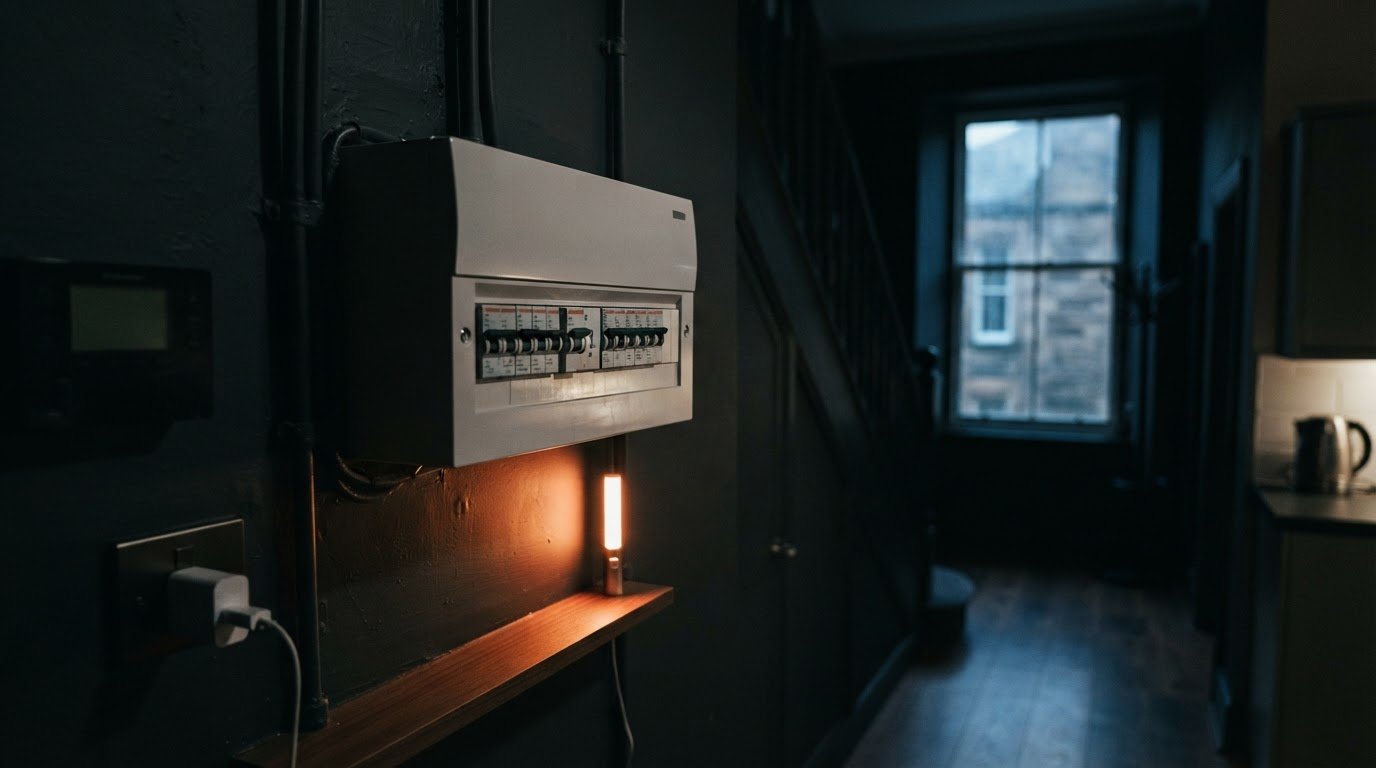
We often think of the consumer unit as the brain of the home, directing power where it’s needed most. Old-fashioned fuse boxes with rewireable fuses are the most frequent cause of an “Unsatisfactory” rating on an EICR. Modern standards require RCD (Residual Current Device) protection, which acts as a sensitive safety switch that trips the power if it detects a leak. Upgrading to a modern board isn’t just about ticking a box for a surveyor; it’s a powerful way to reassure a new family that their home is protected by modern technology. You can learn more about this process in our guide to Consumer Unit Upgrades, which explains how we help homeowners meet 2026 safety expectations today.
Organising Your Paperwork for Your Solicitor
Creating a dedicated “Safety Pack” for your solicitor is one of the smartest moves you can make before your home hits the market. When a legal team sees a tidy, chronological folder of certificates, it builds immediate trust and eliminates the need for “retention of funds” at settlement. This is where a portion of your sale price is held back by the buyer’s solicitor until safety can be proven, a delay that no seller wants. We always advise sellers to gather all electrical receipts and certificates before the property is listed. By being organised and honest from the start, you protect your integrity and ensure the conveyancing process remains steady and logical. If you need help verifying your current documents, get in touch with our local team for a straightforward assessment of your home’s needs.
Securing Your Sale with Foster Electrical
Selling your home is a significant life event, and we understand the pressure of ensuring everything is perfect for potential buyers. In Dundee, Angus, and Fife, homeowners have long relied on our team to provide the clarity and technical skill needed to navigate property transactions. We don’t just offer a service; we act as a protective guardian of your sale. By securing the correct electrical certificate for selling house scotland through our thorough inspections, you eliminate the risk of unexpected legal hurdles or price renegotiations.
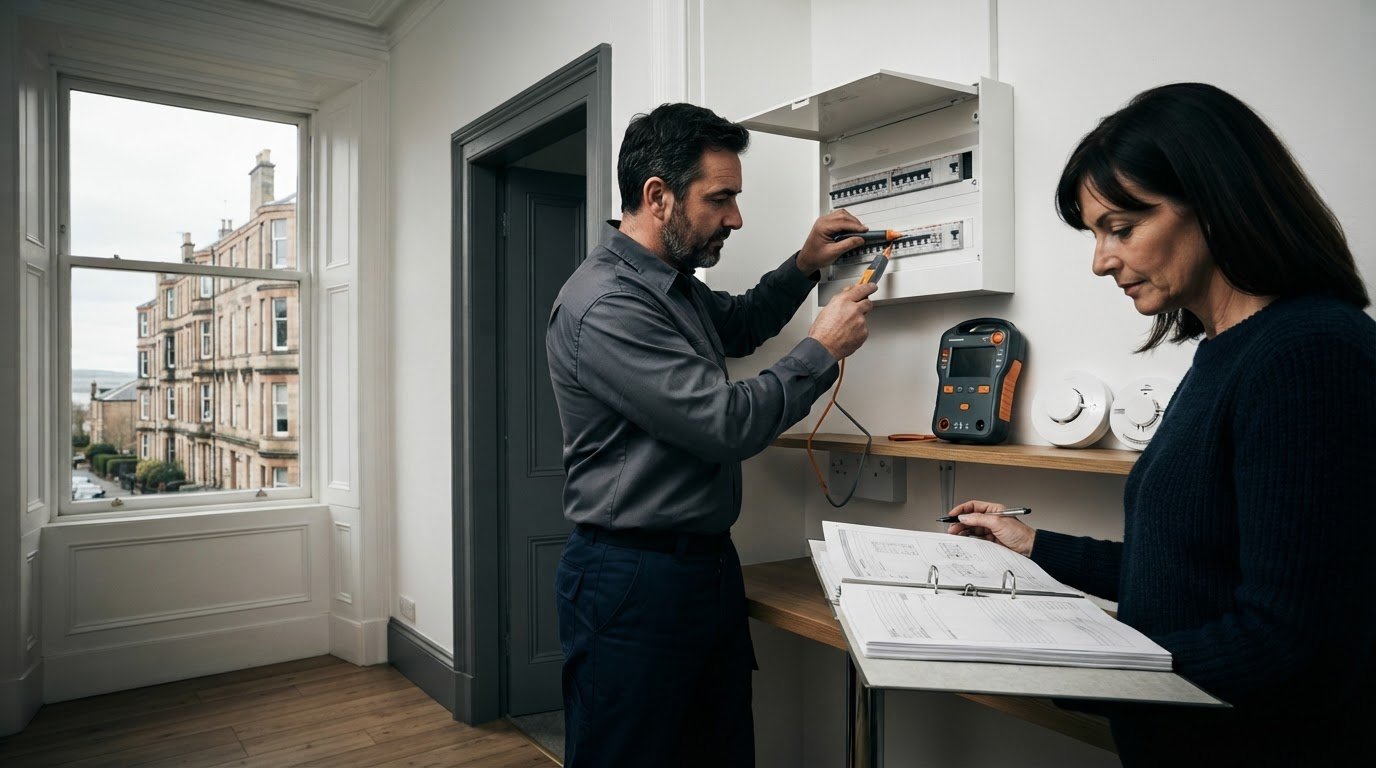
Our “Pre-Sale Check” is designed specifically to identify Category 2 and Category 3 issues before the official surveyor ever steps foot in your property. We know exactly what local surveyors look for, from the condition of older wiring in Tayside’s traditional tenements to the specific placement of interlinked alarms. If we find a fault, we fix it promptly and provide the documentation to prove it. This proactive approach gives you the upper hand during negotiations, allowing you to present a safe, compliant home with total confidence. We move from the initial assessment to the final certificate with a steady, logical rhythm that keeps your sale on track.
Local Knowledge, Traditional Values
We take immense pride in our reputation as a hardworking, humble, and expert local team. Unlike anonymous national corporations, we understand the unique electrical challenges found in our region’s diverse building stock. Whether it’s a Victorian villa in Broughty Ferry or a modern apartment in Perth, we apply the same high standards of execution and tidiness. We work closely with local estate agents and solicitors, ensuring our reports meet their specific criteria for a fast and transparent completion. Our pricing is always honest and upfront, with no hidden fees or technical jargon to cloud the process. We treat your property with the same care we would our own, ensuring it remains pristine whilst it’s on the market.
Book Your Pre-Sale Inspection Today
Don’t wait for a Home Report to reveal hidden problems that could derail your move. We offer fast-track certification for urgent property completions, respecting your deadlines and your peace of mind. From installing interlinked alarms to full EICRs and consumer unit upgrades, we provide the steady, logical support you need. We believe in the value of human connection and direct communication, so you’ll always deal with a professional who cares about your results. Contact Foster Electrical for your pre-sale safety check and ensure your journey to a new home is as smooth and secure as possible.
Protect Your Property Sale and Move Forward with Confidence
We’ve explored how a proactive approach to electrical safety can safeguard your home’s value and prevent unnecessary delays. From understanding the nuances of the Home Report’s rating system to ensuring your interlinked smoke alarms meet the 2022 Scottish legislation, every step you take now prevents stress during the final stages of your sale. Securing the correct electrical certificate for selling house scotland shouldn’t be a source of worry. By organising your EICR and safety paperwork early, you demonstrate a level of diligence that buyers and solicitors respect.
As NAPIT Registered Electricians and specialists in Scottish Home Report compliance, we’ve spent years serving the communities of Dundee, Perth, Angus, and Fife. We understand the specific needs of local properties and the expectations of Tayside legal teams. Our goal is to provide you with the quiet certainty that your home is safe and ready for its next chapter. Ensure your house sale goes through smoothly—contact our Dundee team for an electrical inspection today. We look forward to helping you achieve a clean survey and a successful move.
Frequently Asked Questions
Is an EICR legally required to sell a house in Scotland in 2026?
While there’s no strict statutory law making an EICR a legal requirement for private residential sales in 2026, it’s almost always a practical necessity. Most Scottish solicitors and mortgage lenders insist on seeing a “Satisfactory” report before they’ll conclude the missives. Providing a valid electrical certificate for selling house scotland prevents your sale from stalling during the final legal checks and protects your reputation as a diligent seller.
How much does an EICR cost for a 3-bedroom house in Dundee?
The cost of an EICR depends on several factors, including the number of circuits in your home and the age of the installation. A 3-bedroom house in Dundee might have a complex setup or a simple, modern layout, which influences the time required for testing. We provide honest, transparent quotes based on your specific property details rather than using generic pricing structures that often lead to hidden extras.
What happens if my house fails the electrical part of the Home Report?
If your property receives a Category 2 or 3 rating in the Home Report, it indicates that repairs are needed to ensure safety. A Category 3 rating is particularly serious and can cause a mortgage lender to withhold funds from the buyer. You’ll typically need to have a qualified electrician carry out the necessary remedial work and issue a new certificate to satisfy the buyer’s legal team.
Do I need a certificate for a consumer unit upgrade when selling?
Yes, you must provide an Electrical Installation Certificate (EIC) if you’ve had a consumer unit upgrade. This document proves the work was completed by a professional and complies with current safety standards. Missing paperwork for significant electrical changes is a common red flag for solicitors, so keeping your EIC safe is a simple way to maintain the integrity of your property’s history during the conveyancing process.
Can I sell my Scottish home without interlinked smoke alarms?
Technically you can list your home, but failing to install interlinked smoke alarms is a breach of the February 2022 Scottish legislation. This non-compliance will be clearly stated in your Home Report and Property Questionnaire. Most buyers will insist that you install a compliant system before they agree to the purchase, as it directly affects their home insurance and the overall safety of the building.
How long does an EICR certificate last for a residential sale?
For a standard residential property, an EICR is generally valid for five years. However, in the context of a property sale, many solicitors prefer a report that is more recent, often within the last two or three years. If your certificate is nearing its expiry date, we recommend commissioning a fresh inspection to provide the buyer with the highest level of reassurance and keep the sale moving.
Will an old fuse box stop me from selling my house in Angus?
An old fuse box won’t legally prevent a sale, but it will likely result in a Category 3 rating on your Home Report. This often leads to mortgage lenders demanding an upgrade before they release funds to the buyer. Replacing an antiquated board with a modern, RCD-protected consumer unit is a straightforward way to protect your asking price and ensure a smooth transaction for everyone involved.
Does a buyer have the right to demand an electrical test?
Yes, a buyer’s solicitor can include a request for a “Satisfactory” EICR as a condition of their formal offer. While you can refuse, it may lead to the buyer withdrawing or lowering their bid. Providing a professional electrical certificate for selling house scotland upfront shows you’re an honest seller and helps build the trust needed to reach a successful settlement without last-minute price negotiations.